
Aqua Ohio has warned state regulators that runoff from a large egg-laying operation outside Tiffin could increase the cost of producing drinking water, potentially affecting what customers pay on their water bills, according to reporting by The Blade. The warning is among several concerns raised about the location and oversight of the Seneca Poultry LLC facility now operating in Seneca Township.
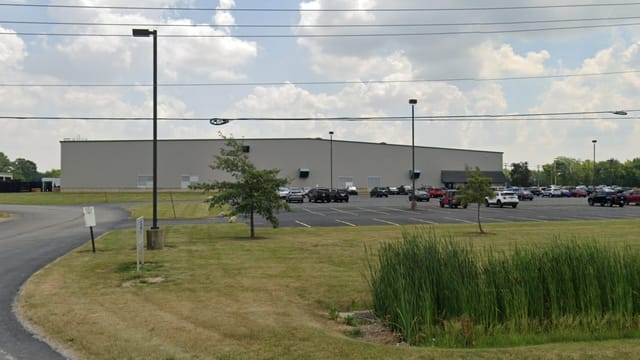
The facility includes two poultry barns and a manure-storage building along Seneca County Road 90, about 5 miles from Tiffin. Seneca Poultry expects to house about 130,000 egg-laying chickens at the site, placing it under Ohio’s concentrated animal feeding operation, or CAFO, regulatory framework. CAFOs are subject to heightened environmental oversight because of the volume of manure they produce and the potential for runoff into nearby waterways.
The site has drawn controversy in part because of its proximity to the Sandusky River, which carries a state scenic rivers designation. The Ohio Department of Natural Resources previously raised concerns that manure runoff from the operation could reach the river if land-applied fertilizer washes into nearby drainage areas. Aqua Ohio has stated in writing that contamination of source water could increase treatment requirements, which typically results in higher costs for customers.
Another source of concern is the site’s proximity to the former County Road 90 Landfill, where the city of Tiffin disposed of mixed industrial and household waste from 1956 until the landfill closed in 1972. During that era, landfill cells were not lined, and waste was often buried without the containment standards required today. Over time, buried waste can break down into leachate containing a mixture of chemicals, a risk that prompted Ohio to adopt buffer requirements around landfills decades later.
Ohio law generally prohibits disturbing land within 300 feet of a closed landfill. However, one of Seneca Poultry’s barns was allowed to be built only about 100 feet from the landfill boundary. According to The Blade’s December reporting, state environmental officials determined the project could proceed without issuing a formal variance or requiring public notification, after concluding the construction would not compromise landfill integrity or monitoring systems.
Water use at the site has also raised questions. Seneca Poultry drilled two wells to serve the operation, according to The Blade. One well, located about 1,200 feet from the landfill, is classified as potable and intended for human use, meeting the state’s 1,000-foot setback requirement. The second well, drilled approximately 70 feet from the landfill, is classified as nonpotable and intended for use by the chickens.
Nonpotable wells are not subject to the same regulatory standards as drinking-water wells, but their location has still drawn scrutiny. The Seneca County General Health District has asked the Ohio Environmental Protection Agency about oversight of the well, public-records requests related to the project, and what remediation plans would be in place if groundwater contamination were detected.
Local officials have tied these environmental concerns directly to potential financial impacts for residents. Tiffin Mayor Lee Wilkinson told The Blade in December that any runoff affecting drinking water supplies could increase treatment costs for Aqua Ohio, which he described as an unacceptable risk for customers who ultimately bear those costs through water rates.
Permits issued by the Ohio Department of Agriculture allowing construction and operation of the facility are currently under appeal before the Ohio Environmental Review Appeals Commission. The appeal was filed by area residents and environmental advocates, according to The Blade. State agencies have said they are limited in what they can discuss publicly while the appeal is pending.
While no contamination has been reported, the combination of the site’s proximity to a former landfill, its location near the Sandusky River, and the scale of manure production associated with the facility has kept the project under close scrutiny from utilities, health officials, and local governments. Aqua Ohio’s warning underscores that any impact to source water could have consequences not only for environmental quality, but also for what residents pay for drinking water.